Fence Maintenance Guide for Wood, Vinyl, Chain Link, and Aluminum
Fence maintenance varies by material. The best routine is simple: keep an eye on movement, moisture, hardware, vegetation, impact damage, surface wear, and gate alignment before small issues become structural ones.
What matters most?
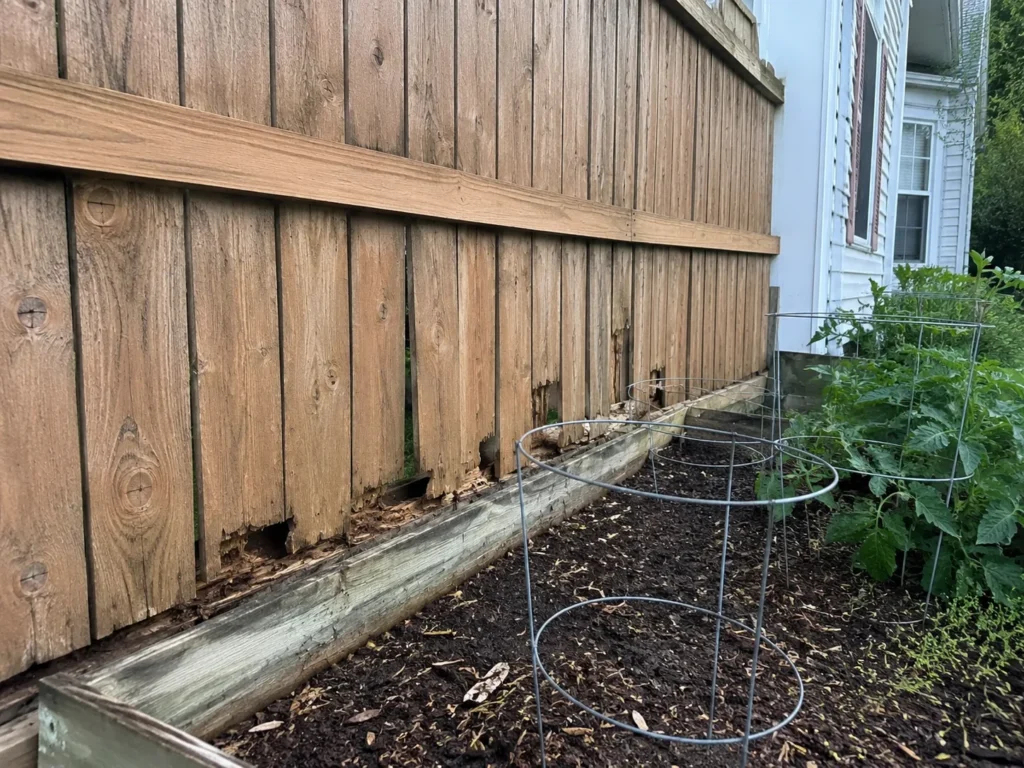
Fence maintenance is mostly inspection and early correction. Watch posts, gates, ground contact, vegetation, hardware, coatings and impact damage. Wood needs the most surface-finish planning; vinyl, chain link and aluminum still need cleaning and mechanical inspection.
Maintenance priorities change with the fence system.
Use this as an inspection guide, not a universal maintenance calendar.
Inspect after seasons and events—not just when something finally breaks.
The exact frequency depends on exposure and material, but these trigger points are useful.
- 01Spring walk-around
Look for winter movement, loose posts, gate alignment, washout and vegetation contact.
- 02Mid-season check
Watch sprinklers, vines, soil buildup, hardware and areas that stay wet.
- 03After storms or impact
Check posts, rails/panels, gates and connections before small movement spreads.
- 04Before wood refinishing
Repair failed structural components and evaluate the existing coating before choosing a finish system.
Do not put finish over a structural problem.
Wood fences weather because they live outside. Surface appearance, moisture exposure, failed coating and structural rot are separate conditions and should be evaluated separately.
A sound fence may benefit from cleaning, preparation and a compatible stain/finish. A failed post or rotten rail needs repair first.
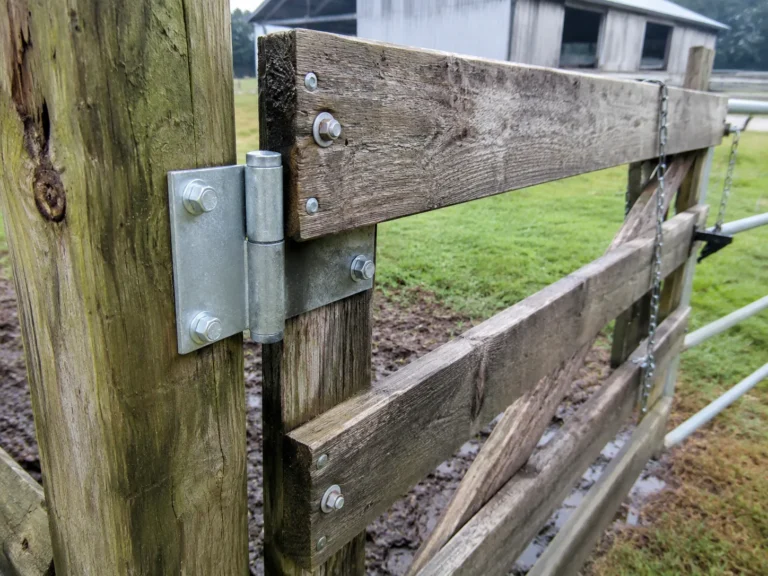
The gate is the part of the fence you test every time you walk through it.
Small changes are easier to address before the gate drags, stops latching or pulls a post out of alignment.
Movement
- Does it swing freely?
- Has the bottom clearance changed?
- Does the frame look square?
- Is the supporting post moving?
Hardware
- Latch alignment
- Hinge fasteners
- Rollers where used
- Corrosion/wear
Ground
- Soil heave or washout
- Mulch/rock buildup
- Vegetation blocking swing
- Snow/ice impacts in season
The goal is to catch small mechanical problems before they become fence-wide problems.
Maintenance does not mean constantly working on the fence.
Use the guide to narrow the question, then choose the fence service that fits the actual project.
Use this guide to narrow the decision, then choose the fence service that fits when you are ready to plan the actual work.
Quick answers before you move into the project-specific decision.
These answers stay focused on the planning question. The property itself determines the final recommendation.
Which fence material needs the most maintenance?
Wood generally needs the most surface-finish planning. Vinyl, chain link and aluminum still need cleaning, gate/hardware inspection and attention to impact or post movement.
How often should I inspect my fence?
There is no universal schedule, but a seasonal walk-around and checks after major storms, impacts or obvious movement are practical.
Should I stain a wood fence on a fixed calendar?
Not blindly. Fence condition, existing coating, exposure, moisture and the product system should guide preparation and timing.
What causes fence gates to start dragging?
Possible causes include hinge wear, frame movement, supporting-post movement, soil/grade changes or hardware problems.
Can vegetation damage a fence?
Yes. Heavy vines or brush can add load, trap moisture, interfere with gates and hide developing problems.
When should maintenance become a repair call?
When you find moving posts, rot, broken rails/panels, damaged fabric, gate structural problems or other failures that cleaning or adjustment cannot correct.
Know what you want the fence to accomplish, but not the exact system yet?
Send the property address and the problem you want to solve. We can help turn the planning into a project-specific fence direction.