Best Fence Options for Dogs: Height, Material, Gaps, and Gates
The best fence for a dog depends on behavior, not just breed or size. Jumping, digging, squeezing, reactivity, and gate traffic should all influence the design.
What matters most?
The best dog fence is based on behavior, not breed alone. A jumper, digger, squeeze-through dog, reactive dog and calm dog can need completely different combinations of height, visibility, bottom security, opening size and gate design.
Behavior points to the fence features that matter most.
No physical fence can guarantee a determined dog will never escape, but planning around known behavior reduces obvious weak points.
Each material changes what the dog can see, climb against and squeeze through.
The material is only one part of containment, but it changes the risk profile.
Walk the perimeter at dog height before finalizing the fence.
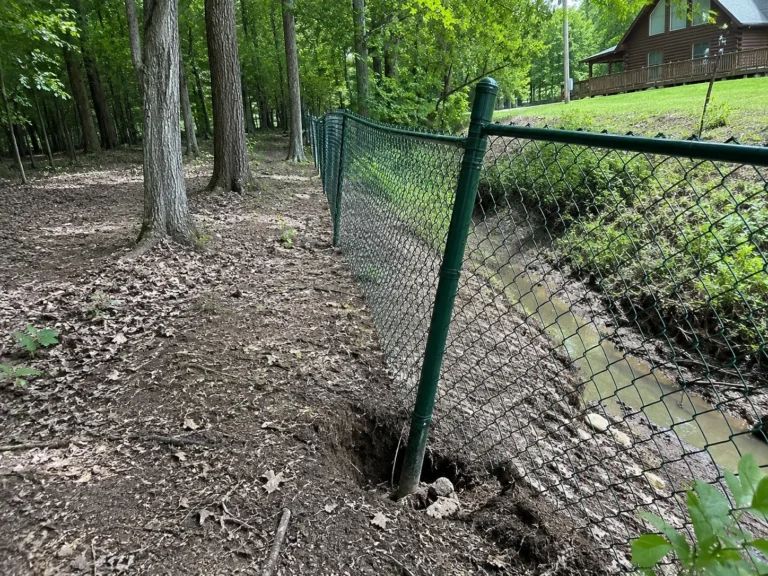
The weak spot is often not the middle of a fence panel.
Bottom
- Low spots in grade
- Gaps under gates
- Transitions at slopes
- Areas where digging already occurs
Openings
- Picket spacing
- Gate latch side
- Double-gate meeting point
- Transitions to house/structures
Outside triggers
- Sidewalk or trail traffic
- Neighboring dogs
- Street activity
- Wildlife or common fence-line running areas
A perfect fence does not help if the gate is routinely left unlatched or develops a bottom gap.
Dog gates should fit household routines. Think about children, visitors, lawn service, delivery access and who normally enters the yard.
Hardware, self-closing behavior where applicable to the project, latch location, swing and bottom clearance all deserve attention.
Breed lists are a weak substitute for observing the dog you actually own.
Containment decisions should be behavior-first.
Use the guide to narrow the question, then choose the fence service that fits the actual project.
Use this guide to narrow the decision, then choose the fence service that fits when you are ready to plan the actual work.
Quick answers before you move into the project-specific decision.
These answers stay focused on the planning question. The property itself determines the final recommendation.
What is the best fence material for dogs?
There is no universal best material. The right choice depends on jumping, digging, squeezing, visibility, dog size, gate habits and the property.
Is a privacy fence better for reactive dogs?
It can reduce visual triggers for some dogs, but containment still depends on height, bottom gaps, digging and gates.
Is chain link good for dogs?
Chain link is practical for many dogs and preserves visibility. Climbing behavior, bottom gaps and reactivity to outside movement should be considered.
Is aluminum fencing safe for small dogs?
It can be appropriate when the picket/opening spacing and bottom clearance suit the dog. Small dogs require careful gap review.
How important is the bottom of a dog fence?
Very important for diggers and small dogs. Low spots, slopes, gates and transitions can create escape gaps even when the fence height is adequate.
Can any fence be guaranteed escape-proof?
No physical fence can honestly guarantee that a determined dog will never escape. The goal is to remove predictable weak points and plan around known behavior.
Know what you want the fence to accomplish, but not the exact system yet?
Send the property address and the problem you want to solve. We can help turn the planning into a project-specific fence direction.