Practical • Open Visibility • Large Enclosures
Chain-Link Dog Fencing
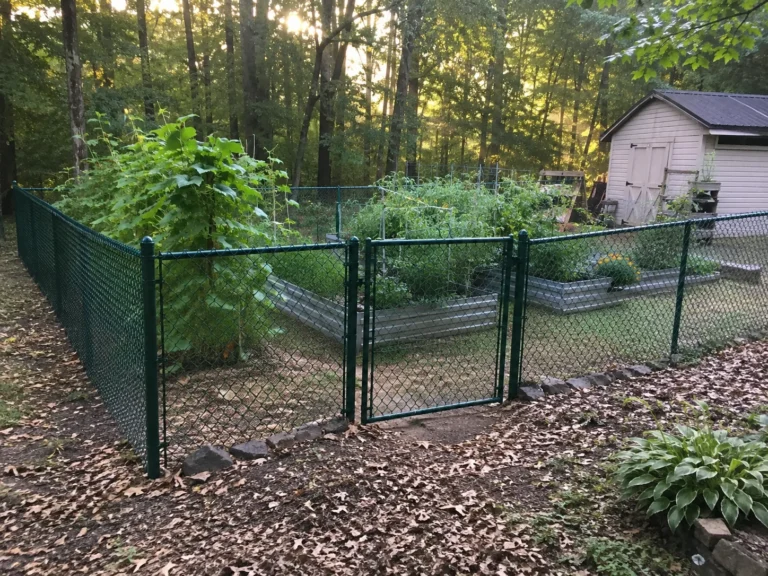
Chain link is a practical choice for many dog yards because it creates a durable visible enclosure and can cover larger areas efficiently.
Explore Chain Link Fencing →Build the fence around the dog—not around a generic “pet fence” label. We plan wood, vinyl, chain-link and aluminum dog fencing around jumping, digging, squeezing, visibility, gate security, yard layout and the way your household actually uses the backyard.
Breed and size are only starting points. A small climber, a powerful jumper, a determined digger and a dog that reacts to everything it can see can need very different fence designs.
Plan My Dog FenceAll four major fence families can work for dogs when the design fits the animal and property.
Chain link is a practical choice for many dog yards because it creates a durable visible enclosure and can cover larger areas efficiently.
Explore Chain Link Fencing →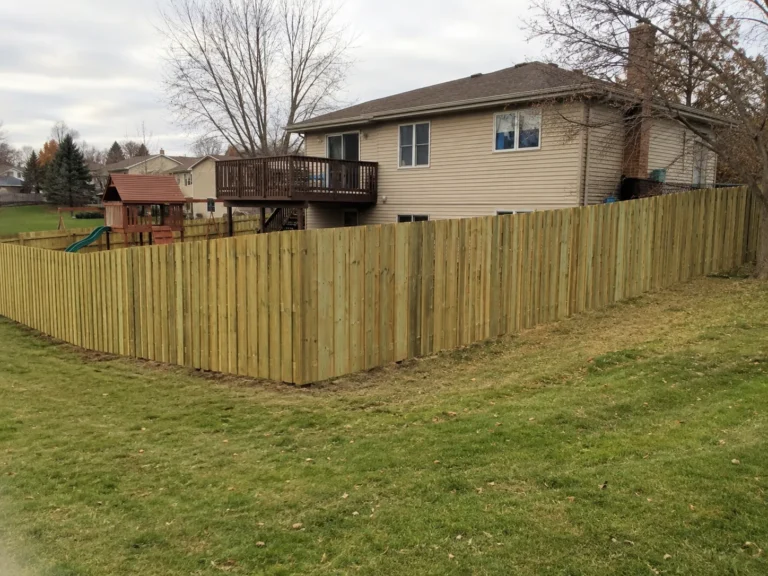
Wood privacy fencing is strong when the household wants visual screening or a dog reacts strongly to people, animals and movement outside the yard.
Explore Wood Fencing →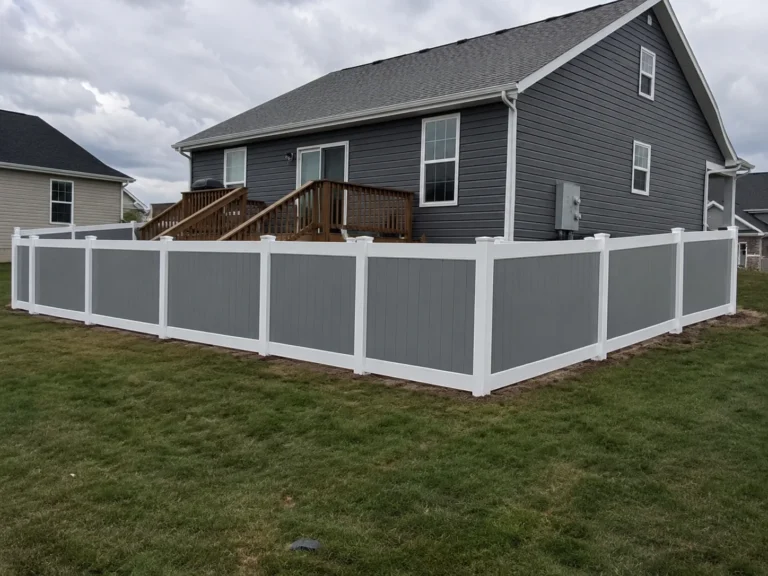
Vinyl privacy fencing can reduce outside visual triggers while creating a clean solid enclosure with relatively low routine surface maintenance.
Explore Vinyl Fencing →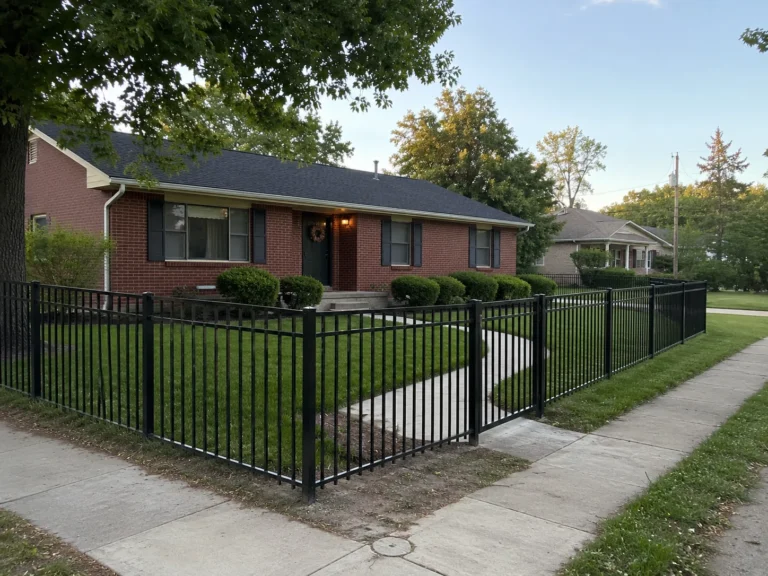
Aluminum can be a great fit for dogs that respect an open fence when height and picket spacing fit the animal. It is less suitable when privacy or visual blocking is the main need.
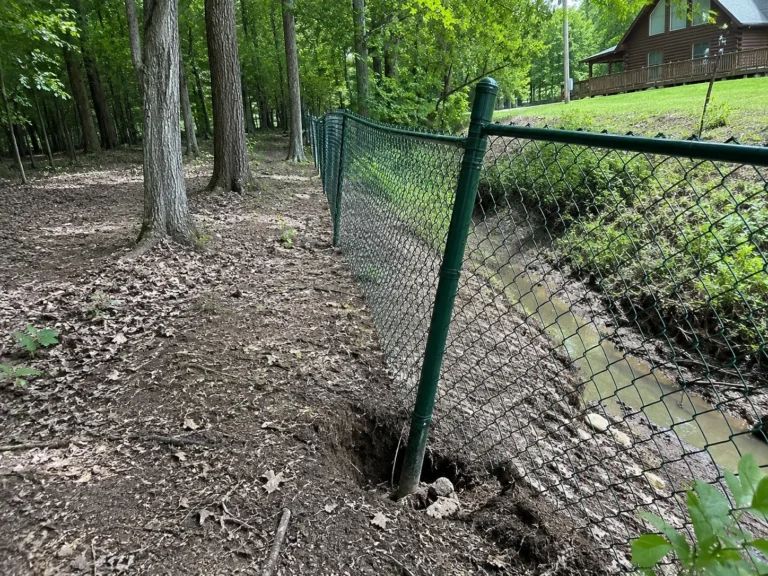
Explore Aluminum Fencing →We look at the full containment envelope. Grade transitions, low spots, retaining walls, landscape edges and gate clearances can create weak points even when the main fence material is appropriate.
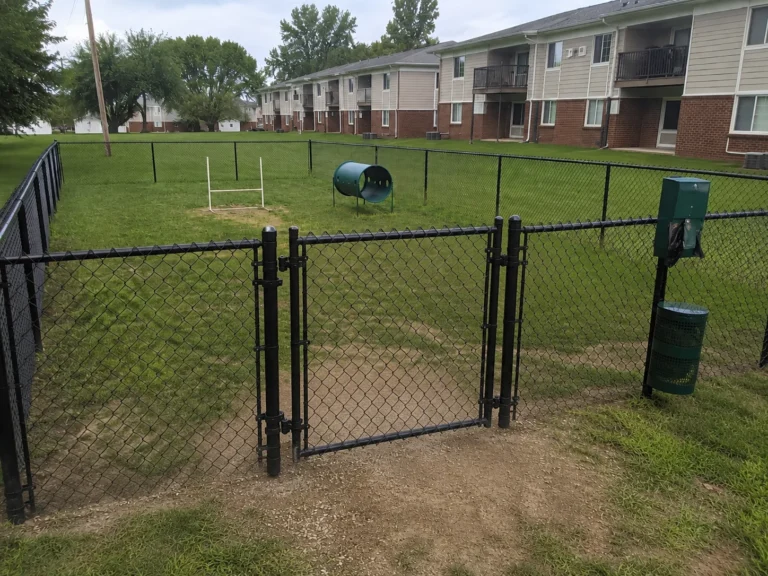
Gate width, latch location, bottom clearance, hinge alignment and household routines all matter. A gate that is constantly propped open, difficult to latch or easy for a dog to push through is not a successful enclosure.
Failed posts, damaged fabric, loose boards, gate problems and isolated gaps can sometimes be repaired when the surrounding fence still makes sense to keep.
The dog itself can change the design: height, privacy, gate security and material all affect the final scope.
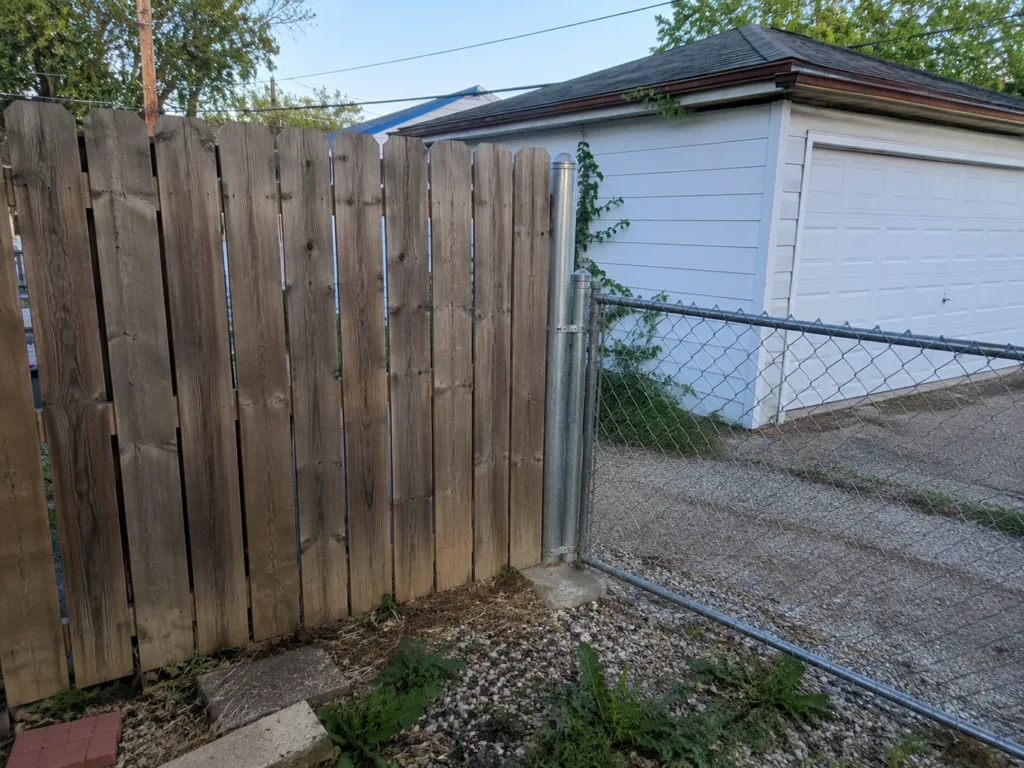
These project-library examples show open, privacy, chain-link and gate configurations that can inform a dog-fence plan.
Chain-Link EnclosureGreen Coated Chain LinkWood Privacy FenceVinyl Privacy FenceOpen Aluminum FenceBackyard GateThe material comes after we understand what the enclosure needs to prevent and how the household uses the yard.
Size, jumping, digging, squeezing, reactivity and escape history.
Grade, weak points, gates, landscaping and normal traffic.
Material, height, visibility, spacing and access plan.
Install the approved fence around the actual property conditions.
We build dog fences throughout Cedar Rapids with wood, vinyl, chain link and aluminum options. The goal is to reduce obvious escape risks while giving the household a practical yard and gate layout.
No physical fence can guarantee that a determined dog will never escape, so we avoid “escape-proof” promises and focus on behavior-aware planning.
These guides cover dog-specific planning, height/placement and open-fence material comparisons.
Tell us what the dog does—not just the breed. Behavior gives us much better planning information.
Ask About My Dog FenceThere is no universal best material. The right fence depends on size, jumping, digging, visibility needs, gap tolerance, yard layout and household preferences.
Height should be chosen around the dog’s jumping ability, escape history and nearby objects that could act as launch points rather than a single breed-based rule.
Yes for many dogs. It offers open visibility and practical enclosure, but a dog that climbs, reacts strongly through the fence or needs more visual screening may need a different design.
Visual screening can help some dogs that react to people, animals or traffic outside the yard, but every dog is different and the fence is only one part of behavior management.
We pay close attention to grade, bottom gaps and known digging areas. The appropriate approach depends on the property and dog; we do not make blanket “dig-proof” claims.
Picket spacing, chain-link openings, bottom clearance, gate gaps and transitions should all be evaluated for the dog’s size.
Yes. Gate location, reliable latching, bottom clearance and normal household traffic are part of the enclosure plan.
Sometimes. Localized gaps, damaged sections, gates and failed posts may be repairable if the overall fence still suits the dog and yard.
No. A determined animal can defeat unexpected weak points or use behavior we did not observe. We plan against known risks but do not promise that any physical fence is absolutely escape-proof.
Yes. Every project receives a written warranty, with length and terms based on the specific work.
Get a free estimate for wood, vinyl, chain-link or aluminum dog fencing in Cedar Rapids.